Case study, Cultural institutions
The Broad: Accessibility Beyond Compliance.
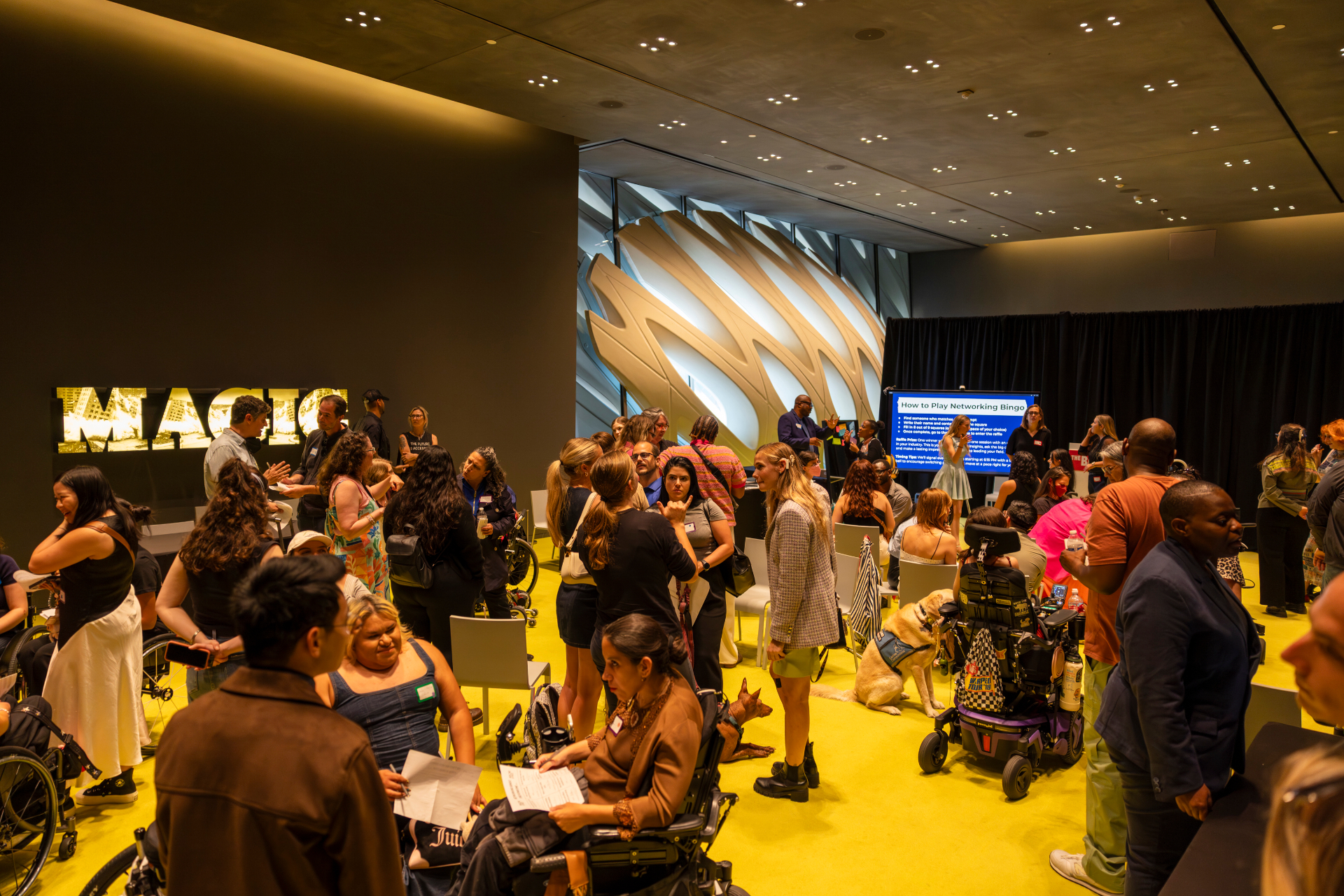
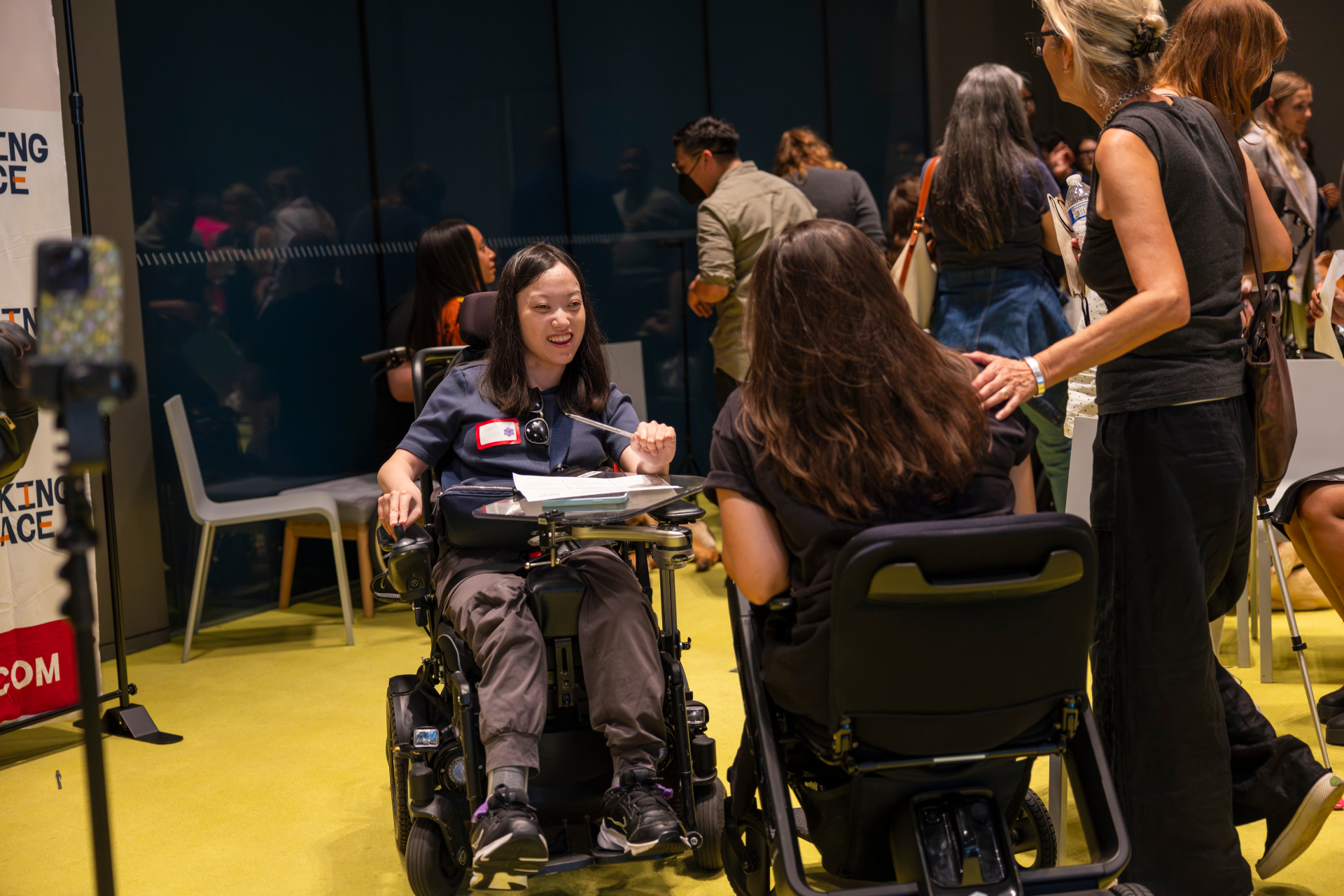
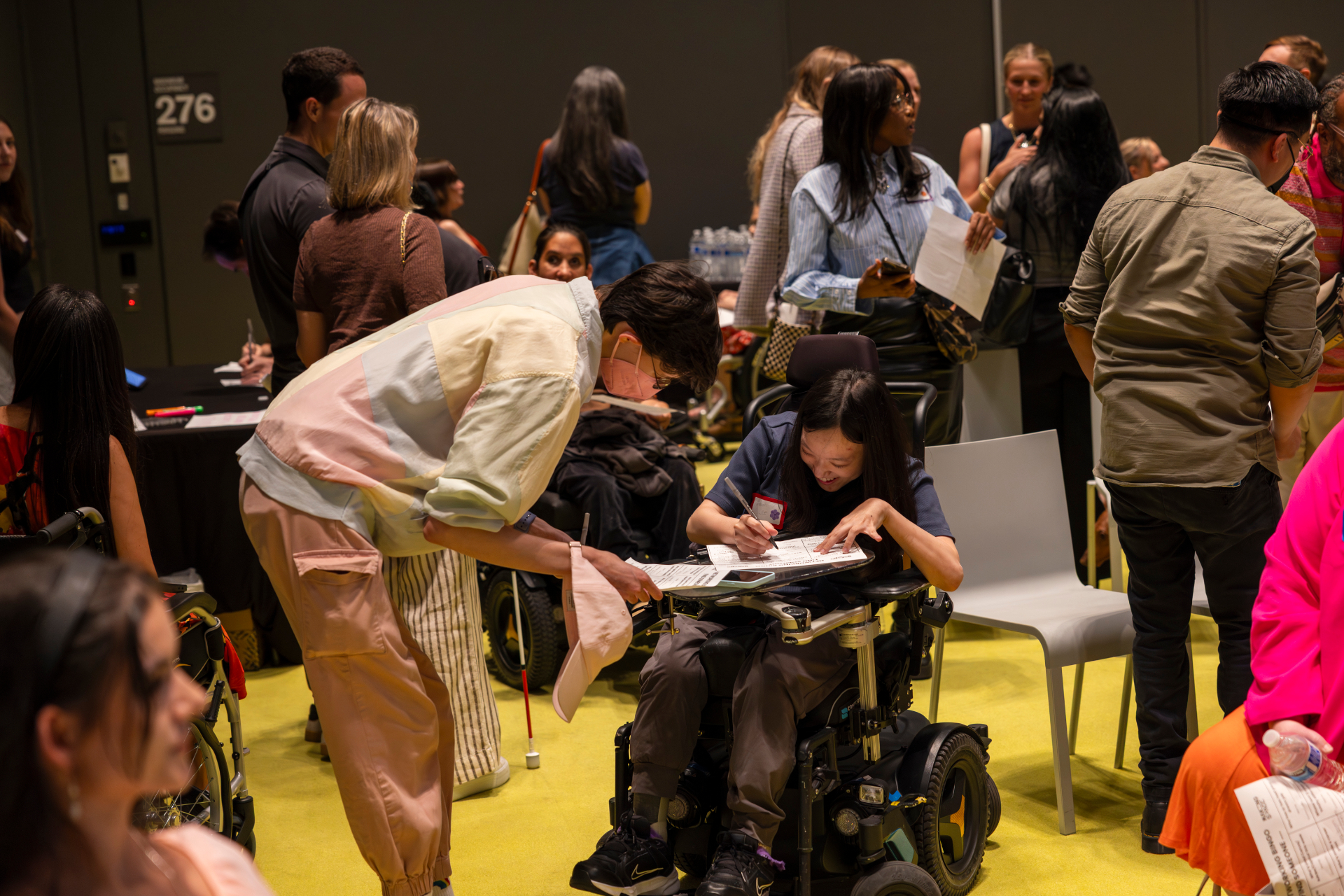
A museum visit should be a formative experience. The science exhibit that sparked a career, the painting that stopped you mid-step, the afternoon that made a subject feel suddenly alive. For too many Disabled visitors, those moments remain out of reach, and the reason is rarely indifference. Access has simply been treated as a compliance requirement rather than a design priority, something to satisfy rather than something to get right.
Making Space partnered with The Broad to build around a different premise: that accessibility beyond compliance belongs in the architecture of how a museum operates, presents, and plans, not in a parallel track that runs alongside it and gets revisited whenever something falls short.
The Broad is a contemporary art museum in downtown Los Angeles, and the engagement covered its existing building, staff training, marketing, its digital experience, and the design of its planned expansion, with accessibility brought into the capital-planning process and treated as a structural input from the start rather than a finishing consideration.
The challenge
ADA compliance was already in place. The opportunity was to move past one. The Broad wanted to create a visitor experience that Disabled audiences would actually choose, return to, and recommend. And to ensure access was part of every future decision, not revisited after the fact.
The goal is universal design: spaces, experiences, and systems that work for everyone without requiring adaptation or special arrangement. Getting there is a journey, and it runs through adaptive design that meets people where they are today and inclusive design that builds their needs into every decision made for tomorrow.
Staff confidence supporting Disabled guests (from ~10%)
Languages of audio-described wall texts
Disabled-led Innovation Council with permanent authority
How we worked
Making Space's assessment is structured around a maturity model that spans four interconnected areas of institutional life, the physical environment and visitor experience, digital accessibility, staff training and talent, and marketing and brand. Most institutions have made progress in at least one of these areas, and most have significant gaps in the others. The maturity model makes those gaps visible and sequenceable, so that the work, however well executed, sits at the beginning of the model rather than anywhere near its end.
Phase 01
Audit and discovery
Understanding the experience end to end.
A pan-Disabled on-site audit across every visitor touchpoint. A digital accessibility audit completed with Disabled engineers. Expansion plans reviewed before construction began. Focus groups with Disabled visitors and community members whose experiences shaped every recommendation that followed.
Phase 02
Co-design and training
Building capacity across the institution.
Role-specific training designed for behavior change, not compliance hours. The Innovation Council brought Disabled community members into ongoing governance. Inclusive brand guidance developed alongside ticketing language that lets visitors identify needs without disclosing a diagnosis.
Phase 03
Implementation
Putting the recommendations to work.
Live audio description via Be My Eyes and Meta Glasses. Haptic experiences for Deaf and hard-of-hearing guests. Audio-described wall texts in 12 languages. Sensory kits and 'no shh spaces'. Elevators and ramps redesigned as intentional art experiences. Access written into the expansion brief at the capital-planning stage.
What was delivered
Live audio description
On-floor, real-time, integrated with Be My Eyes and Meta Glasses.
Haptic experiences
Sound and atmosphere translated into vibration for Deaf and hard-of-hearing guests.
12-language wall texts
Audio-described, with adjustable text size, contrast, playback speed, and captions.
Innovation Council
Disabled community members in permanent governance, not advisory, structural.
Role-specific training
HR, frontline, leadership, designed for retention and behavior change.
ASL classes for staff
Ongoing American Sign Language classes embedded into staff development, so the majority of The Broad's team can now sign basic ASL and greet, orient, and assist Deaf and hard-of-hearing visitors directly on the floor.
Sensory kits and access map
Ear defenders, fidgets, visual guides, free to use, available to purchase. We also implemented dedicated sensory spaces inside the museum for visitors and inside the staff offices, giving both audiences a calm place to regulate and reset.
Expansion consultation
Access integrated at the capital-planning stage, designed in, not retrofitted.
Inclusive ticketing language
Visitors self-identify needs without disclosure, a structural change most institutions never question.
Jobs posted on Making Space
The Broad now posts open roles directly to the Making Space Opportunities Board, reaching a 50K+ community of Disabled professionals at the source.
Rewritten job description templates
Making Space rebuilt The Broad's JD templates from the ground up, clearer must-haves, inclusive language, and accessibility signals, opening the door to a wider pool of Disabled applicants.
Designated on-floor Accessibility Specialists
Dedicated Accessibility Specialists on the gallery floor, so visitors always have a trained point of contact.
Disability Pride events
We programmed Disability Pride events at the museum to introduce new community members to The Broad, and hired Disabled influencers and creators to reach audiences the museum had never previously connected with.
What changed
Visitor experience
Disabled guests and the people they bring are returning more often, and the reason matters as much as the number: visitors are coming back specifically to experience the accessibility features, treating them as part of the museum offering rather than a workaround for it.
Reach
Non-English-speaking visitors saw measurable growth in both attendance and engagement, with audio-described wall texts in 12 languages giving them richer access to the work than the standard gallery experience had previously offered, producing deeper conversations about the art and longer time spent with individual pieces.
Dwell time
Additional seating introduced as part of the accessibility programme changed how long visitors stayed, with groups spending more time in the galleries than they had before, a shift that reflects how physical comfort and access to rest directly shapes the depth of a museum visit.
Staff
Designated on-floor Accessibility Specialists, institutional knowledge embedded in roles, not held by individuals.
Governance
The Innovation Council gave Disabled community members a permanent seat in institutional decision-making.
Hiring
The Broad now posts its open roles on Making Space, and after we rebuilt their job description templates with inclusive language and clearer must-haves, the museum has been welcoming more Disabled workers onto the team, a direct, measurable shift in who walks or rolls through the staff entrance, not just the visitor one.
Real inclusion is something you build intentionally and with care. Working with Making Space helps institutions through new eyes and understand where they could do better. That process felt collaborative, practical, and grounded in a shared belief that inclusion should be lived.
How Making Space partners with museums
Four interconnected pillars. Institutions that engage across all four see compounding impact, not just in visitor experience, but in audience growth, peer recognition, and long-term institutional resilience.
01
Training and talent access
Disabled-led training and talent sourcing to build inclusive teams at every level.
- → Role-specific training for HR, frontline, and leadership
- → Live, Disabled-led workshops and keynotes
- → Self-paced learning library for staff at scale
- → Talent sourcing from a 50K+ network of Disabled professionals
02
Physical space and experience
On-site audits and inclusive design consultation across the full visitor journey.
- → Pan-Disabled, intersectional on-site audits
- → Galleries, queues, sensory spaces, and wayfinding
- → Access map review and signage
- → Standardized accessibility checklist embedded into the exhibition process
- → Capital-plan and expansion-phase consultation
03
Digital accessibility
WCAG 2.2 AAA audits and engineer-to-engineer remediation.
- → Web, ticketing, and exhibit UX audits
- → Disabled user testing with real assistive technology
- → Engineer-to-engineer remediation support
- → Live audio description integrations
04
Marketing and brand
Disability-inclusive comms that earns trust with Disabled audiences and signals leadership to peers.
- → Inclusive language and image guidance
- → Authentic representation across campaigns
- → Storytelling with Disabled creatives
- → Brand reputation positioning around access leadership
Why this matters to institutions right now
US adults are Disabled, the largest underserved audience in the country
Annual discretionary spend of Disabled Americans, not counting companions
Disabled visitors are more likely to visit with a group
The institutions that lead on access now are the ones that will be recognized, recommended, and resourced in the next decade.